

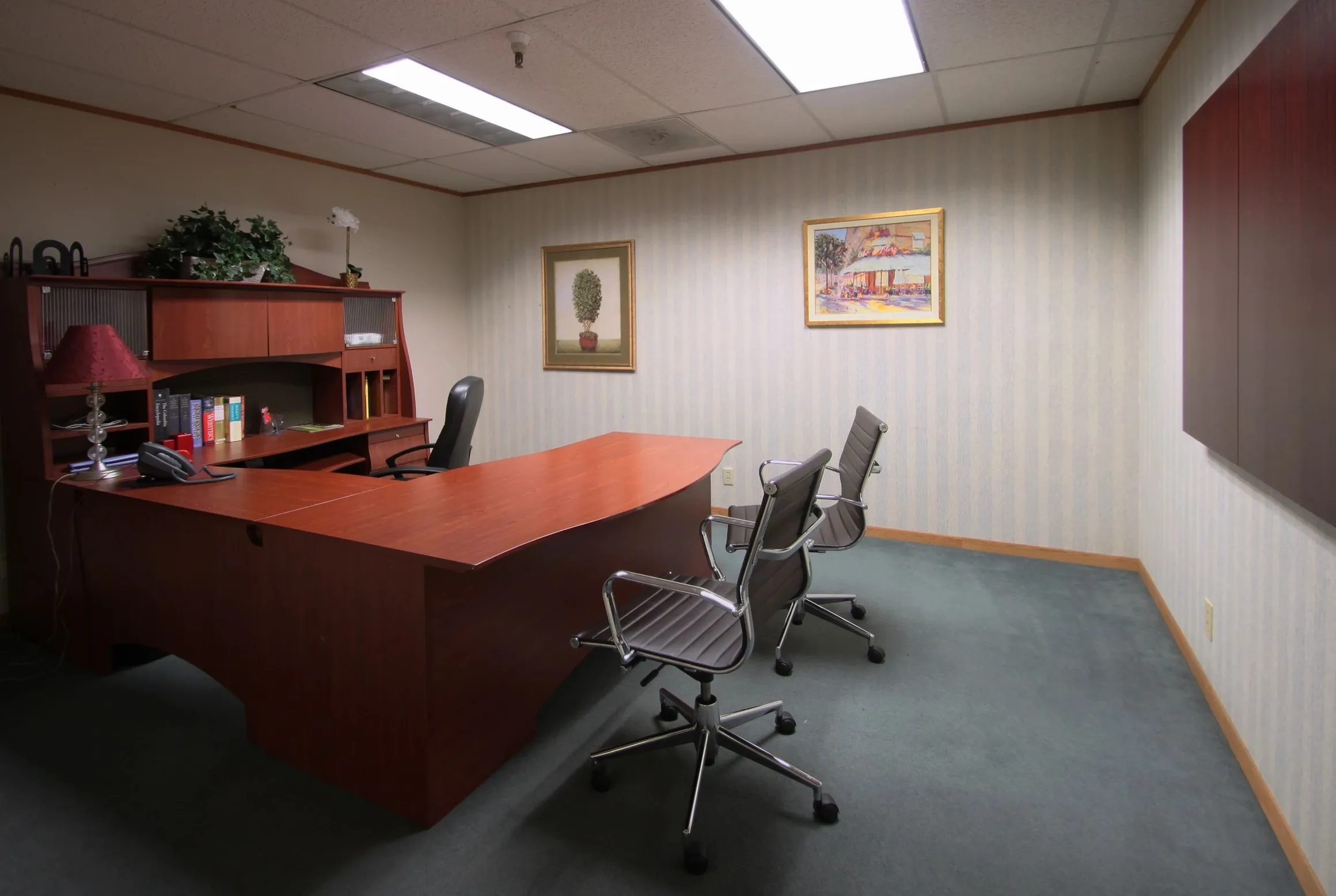


Small Office Space to Let for Startups & Growing Businesses
Selecting the right workspace plays a crucial role in how your business develops and operates efficiently. Many professionals look for a Small Office Space to Let because it offers the perfect balance of affordability, comfort, and flexibility. In addition, small offices help reduce overhead costs while projecting a professional image to clients and partners. This guide highlights the key benefits, costs, essential features, and practical tips to help you make a smart and informed leasing decision.

Why Demand for Small Office Space to Let Is Rising
The way people work has changed. Therefore, office needs have shifted. Many companies now operate with lean teams. Consequently, large offices often feel unnecessary and expensive.
Moreover, small office spaces provide efficiency. They offer enough room to work productively without waste. As a result, businesses save money while staying professional. Additionally, flexible leases attract modern tenants. Shorter terms reduce risk. Therefore, businesses feel more confident committing to office space.
Benefits of Choosing a Small Office Space to Let
Choosing a Small Office to Let helps reduce operating costs while maintaining a professional work environment. Moreover, it offers flexibility, easier management, and a focused setting that supports productivity and business growth.
Cost Efficiency Without Compromise
Lower rent is a key advantage. Therefore, small offices fit tight budgets. Moreover, utility costs remain manageable.In addition, maintenance expenses are usually lower. As a result, predictable costs improve cash flow. Consequently, businesses can allocate funds to growth.
Professional Business Presence
Working from home has limits. Therefore, a dedicated office improves credibility. Clients trust businesses with professional addresses. Moreover, meeting rooms add value. As a result, you can host clients comfortably. Consequently, your brand image improves.
Flexibility for Changing Needs
Small offices support growth. Therefore, businesses can scale gradually. Moreover, flexible leases reduce long-term risk. Additionally, relocation becomes easier. As a result, companies adapt faster to market changes. Ultimately, flexibility supports stability.
Who Should Consider a Small Office Space to Let?
Small offices suit many professionals. For instance, startups benefit from low overhead. Similarly, freelancers gain focus and structure.
Moreover, consultants need private meeting areas. Therefore, small offices provide the right balance. Additionally, satellite teams use them for local presence.In creative industries, collaboration matters. Consequently, compact offices foster teamwork. As a result, productivity improves naturally.
Key Features to Look for in a Small Office Space to Let
When selecting a small office space to let, focus on location, accessibility, and a functional layout that supports daily operations. Additionally, reliable internet, good natural light, and flexible lease terms are essential for long-term efficiency and comfort.
Location and Accessibility
Location affects daily operations. Therefore, choose areas with good transport links. Moreover, nearby amenities improve convenience. Additionally, parking matters. As a result, employees and clients feel comfortable visiting. Consequently, accessibility supports growth.
Layout and Usable Space
Efficient layout is essential. Therefore, avoid wasted corners. Moreover, natural light boosts productivity. In addition, consider storage needs. As a result, clutter stays minimal. Ultimately, a functional layout enhances focus.
Internet and Technology Infrastructure
Reliable internet is non-negotiable. Therefore, check connectivity options. Moreover, modern wiring supports scalability. Additionally, shared tech services reduce setup time. As a result, you can move in quickly. Consequently, operations start smoothly.
Cost Considerations for Small Office Space to Let
Cost considerations for a Small Office Space to Let Office include monthly rent, utilities, maintenance fees, and security deposits. Therefore, reviewing what is included in the lease helps avoid hidden expenses and supports better budgeting.
Understanding Rent Structures
Rent varies by location. Therefore, compare multiple options. Moreover, some spaces include utilities. Additionally, serviced offices offer bundled pricing. As a result, budgeting becomes easier. Consequently, unexpected costs are reduced.
Hidden Costs to Watch
Not all costs are visible upfront. Therefore, ask about maintenance fees. Moreover, cleaning charges may apply. In addition, security deposits affect cash flow. As a result, plan finances carefully. Ultimately, transparency prevents surprises.
Serviced vs Traditional Small Office Spaces
Serviced offices offer convenience with furniture, utilities, and support services included, which reduces setup time and upfront costs. On the other hand, traditional small office spaces provide more control and customisation, often at a lower long-term rental rate.
Serviced Small Offices
Serviced offices offer convenience. Therefore, they suit busy professionals. Moreover, furniture and utilities are included. Additionally, reception services add value. As a result, businesses appear established. Consequently, first impressions improve.
Traditional Small Offices
Traditional offices offer control. Therefore, customisation is possible. Moreover, long-term leases may reduce rent. In addition, branding options increase. As a result, companies create unique environments. Ultimately, control supports identity.
How to Choose the Right Small Office Space to Let
To choose the right Modern Small Home Office clearly define your business needs, budget, and future growth plans. Moreover, visiting multiple options and reviewing lease terms carefully helps ensure the space fits both current and long-term goals.
Define Your Business Needs
Start with requirements. Therefore, list team size and activities. Moreover, plan for future growth. Additionally, consider client interactions. As a result, meeting space becomes essential. Consequently, clarity guides selection.
Set a Realistic Budget
Budgeting prevents stress. Therefore, include all expenses. Moreover, leave room for expansion. In addition, compare value, not just price. As a result, better decisions follow. Ultimately, balance ensures sustainability.
Visit and Compare Options
Photos are helpful. However, visits reveal details. Therefore, inspect noise levels and lighting. Moreover, talk to existing tenants. As a result, you gain insights. Consequently, confidence increases.
Common Tenant Concerns and Practical Solutions
Common tenant concerns include lease flexibility, noise levels, and room for growth; however, these can be addressed by choosing adaptable lease terms and well-designed layouts. Moreover, clear communication with landlords helps prevent issues and ensures a smoother leasing experience.
Lease Flexibility
Long leases feel risky. Therefore, ask about break clauses. Moreover, shorter terms offer security; additionally, renewal options matter. As a result, continuity improves. Ultimately, flexibility reduces pressure.
Privacy and Noise
Noise affects focus. Therefore, check soundproofing. Moreover, private offices offer better control. In addition, shared spaces should be managed well. As a result, productivity stays high. Consequently, comfort improves.
Growth Limitations
Growth plans matter. Therefore, ask about expansion options. Moreover, nearby units add flexibility. Additionally, coworking access supports scaling. As a result, space adapts. Ultimately, planning avoids disruption.
Why Small Office Space to Let Supports Productivity
The environment influences performance. Therefore, a dedicated office improves focus. Moreover, fewer distractions increase efficiency. Additionally, routine builds discipline. As a result, work-life balance improves. Consequently, burnout reduces. Furthermore, collaboration improves in shared offices. Therefore, ideas flow naturally. Ultimately, productivity rises.
Sustainability and Modern Small Offices
Sustainability matters today. Therefore, energy-efficient buildings attract tenants. Moreover, lower utility bills save money. Additionally, green features enhance brand image. As a result, businesses appeal to conscious clients. Consequently, sustainability adds value.
The Long-Term Value of Choosing the Right Office
An office is more than space. Therefore, it shapes culture. Moreover, it affects employee satisfaction. Additionally, stability supports growth. As a result, teams perform better. Ultimately, the right office becomes an asset.
Final Thoughts on Small Office Space to Let
Choosing a small office space to let is a strategic decision. Therefore, careful planning matters. Moreover, understanding benefits and costs ensures success.
Additionally, the right space supports growth and professionalism. As a result, businesses thrive in competitive markets. Ultimately, a well-chosen small office creates a strong foundation for the future. If you are exploring office options, take time to evaluate. Therefore, focus on value, flexibility, and fit. Consequently, your next office can support both present needs and future ambitions.
FAQ for small office space to let
1. What does a small office space to let usually include?
small office space to let typically includes a private workspace, basic utilities, and access to shared amenities. Moreover, some spaces also offer internet, reception services, and meeting rooms.
2. Who should consider renting a small office space to let?
Startups, freelancers, consultants, and small teams benefit most from a small office space to let. Therefore, it suits businesses that want professionalism without high overhead costs.
3. Is a small office space to let more affordable than larger offices?
Yes, a small office space to let is generally more affordable due to lower rent and reduced operating expenses. As a result, it helps businesses manage budgets effectively.
4. Are lease terms flexible for a small office space to let?
Many providers offer flexible lease terms for a small office space to let. Consequently, businesses can choose short-term or renewable agreements.
5. What location factors matter when choosing a small office space to let?
Accessibility, public transport, parking, and nearby amenities are key factors. Therefore, location directly impacts employee convenience and client visits.