Why Flexible Office Spaces Are Trending in the Modern Workplace
The way we work has changed dramatically in recent years, and traditional office setups are no longer the default choice for modern businesses. Instead, organizations are actively seeking agility, efficiency, and employee satisfaction, which is why Flexible Office Spaces are being sought across industries. Moreover, the shift toward digital transformation and remote work has accelerated this change, making flexibility a core requirement rather than an optional benefit. As a result, businesses are reimagining their work environments to align with evolving expectations and market demands.
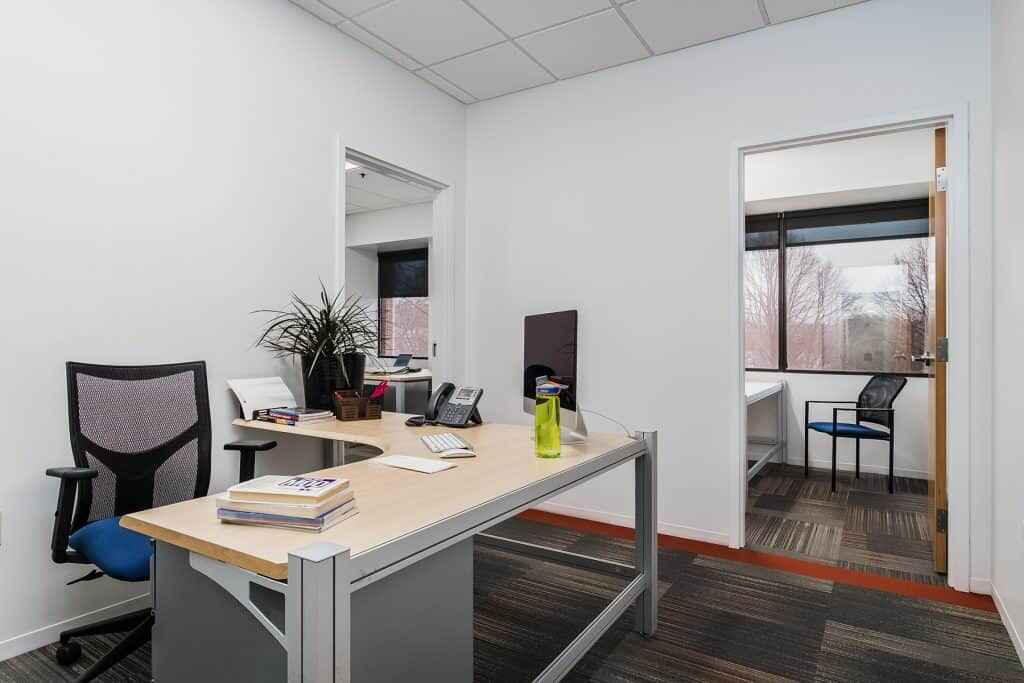
Understanding Flexible Office Spaces
Office Space for Rent are work environments designed to adapt quickly to changing business needs. These include coworking spaces, hot desk offices, shared workspaces, and hybrid office models. Unlike traditional offices, these spaces offer short-term leases and scalable solutions. In addition, they are fully equipped with essential amenities, including high-speed internet, meeting rooms, and office furniture. Therefore, businesses can move in and start operating immediately without worrying about setup costs. Furthermore, this convenience enables companies to focus on growth and innovation rather than on administrative tasks.
The Evolution of Workplace Trends
Workplace trends have evolved significantly over the past decade. Initially, offices were rigid and structured, but now flexibility has become a key priority. Consequently, organizations are adopting models that support remote and hybrid work. Moreover, employees expect greater control over their work environments, further driving demand for flexible solutions. As a result, Flexible Office Spaces are beneficial because they meet the expectations of both employers and employees. Additionally, businesses recognize that a satisfied workforce leads to higher productivity and better outcomes.
Cost Efficiency and Budget Optimization
One of the strongest reasons behind this trend is cost efficiency. Traditional office spaces require long-term leases, upfront deposits, and ongoing maintenance expenses. On the other hand, flexible office spaces offer pay-as-you-go models. Therefore, companies only pay for the space they use, which significantly reduces overhead costs. In addition, shared resources such as meeting rooms and utilities further lower expenses. As a result, businesses can allocate their budgets more strategically and invest in growth opportunities.
Supporting Hybrid and Remote Work Models
The growth of hybrid work has reshaped how businesses function. Employees now divide their time between home and the office, which demands more adaptable workspace solutions. As a result, flexible office spaces have emerged as an ideal option for this model. Moreover, they offer a professional setting for meetings and collaboration without requiring a permanent office. In addition, employees enjoy the flexibility to decide when and where they work. Therefore, flexible office spaces effectively support modern hybrid work structures.
Enhancing Employee Productivity and Well-Being
Employee productivity is strongly influenced by the work environment. Flexible office spaces are built to improve both comfort and efficiency. For example, they provide a balance of quiet zones and collaborative areas. As a result, employees can select the environment that best fits their tasks. Moreover, these spaces often feature modern amenities like lounges and wellness areas. Consequently, employees feel more relaxed and motivated. In addition, shorter commuting times support a healthier work-life balance, which ultimately enhances overall performance.
Coworking Trends Driving Growth
Coworking spaces have become a major component of flexible office solutions. These spaces bring together professionals from diverse industries, creating a vibrant, dynamic environment. Moreover, coworking trends emphasize collaboration and community building. As a result, individuals and businesses benefit from shared knowledge and networking opportunities. In addition, startups and freelancers find these spaces particularly appealing due to their affordability and flexibility. Therefore, Flexible Office Spaces, as coworking continues to expand globally.
Scalability for Business Growth
Business growth often comes with uncertainty, and companies need spaces that can adapt quickly. Flexible office spaces offer unmatched scalability. For example, businesses can easily increase or decrease their workspace based on team size. Moreover, this eliminates the need for costly relocations. In addition, companies can test new markets without committing to long-term leases. As a result, flexible spaces provide a strategic advantage in competitive industries.
Technology Integration in Modern Workspaces
Technology is at the heart of modern workplaces, and flexible office spaces are designed to support it. These environments come equipped with high-speed internet, smart meeting rooms, and digital collaboration tools. Consequently, teams can work efficiently regardless of location. Moreover, cloud-based systems enable seamless communication and file sharing. In addition, technology-driven workspaces improve overall productivity and reduce operational challenges. Therefore, businesses can stay competitive in a fast-paced digital landscape.
Sustainability and Environmental Benefits
Sustainability is gaining importance for businesses across the globe. Flexible office spaces encourage eco-friendly practices by optimizing shared resources and minimizing waste. For example, less furniture and equipment are needed, which reduces overall material usage. As a result, the environmental footprint becomes significantly lower. Additionally, many flexible workspaces feature energy-efficient systems and sustainable designs. Consequently, companies can meet their sustainability objectives without compromising on efficiency.
Access to Prime Business Locations
Location is a key factor in determining business success. However, securing traditional office space in prime areas often comes with high costs. Affordable Office Space address this challenge by providing access to premium locations at a more affordable price. As a result, businesses can operate in sought-after areas without stretching their budgets. Moreover, these locations boost brand visibility and strengthen credibility. Consequently, companies are better positioned to attract clients and unlock new opportunities.
Networking and Collaboration Opportunities
Flexible office spaces foster a natural networking environment where connections develop effortlessly. Professionals from various industries share the same workspace, which promotes interaction and collaboration. Additionally, many coworking spaces organize events, workshops, and seminars that bring people together. As a result, businesses can broaden their networks and gain meaningful insights. Furthermore, these connections often turn into partnerships and new opportunities. Therefore, flexible workspaces contribute significantly to business growth.
Customizable Workspace Design
Every business has unique needs, and flexible office spaces cater to this diversity. Companies can choose from private offices, shared desks, or dedicated meeting rooms. Moreover, layouts can be customized to suit specific requirements. As a result, businesses can create environments that reflect their culture and goals. In addition, adaptable designs ensure that spaces remain functional as teams grow. Consequently, design flexibility enhances both efficiency and employee satisfaction.
Attracting and Retaining Top Talent
In today’s competitive job market, attracting and retaining talent is a major challenge. Flexible office spaces help businesses stand out by providing modern, comfortable work environments. Moreover, employees value flexibility and autonomy in their work. As a result, companies that provide these options are more appealing to potential hires. In addition, flexible workspaces contribute to higher employee retention rates. Therefore, organizations can build stronger and more stable teams.
Challenges to Consider
While flexible office spaces provide many advantages, they also come with certain challenges. For instance, shared work environments can sometimes limit privacy. However, many providers overcome this by offering private offices and dedicated meeting rooms. In addition, pricing may vary based on location and included services. Therefore, businesses need to assess their requirements carefully before choosing a space. Nevertheless, the benefits generally outweigh the limitations, making flexible office spaces a smart investment.
Future of Flexible Office Spaces
The future of work is undoubtedly flexible, and this trend is expected to grow even further. Moreover, technological advancements will continue to enhance workspace functionality. In addition, sustainability will remain a key focus for businesses and workspace providers. Consequently, flexible office spaces will evolve to meet changing demands. Furthermore, hybrid work models will become the norm, increasing the need for adaptable environments. Therefore, it is clear that Flexible Office Spaces will remain a central part of the modern workplace landscape.
Final Thoughts on Flexible Office Spaces
Flexible office spaces are reshaping the way businesses operate. They offer cost savings, scalability, and improved employee experiences. Moreover, they align with modern work trends and technological advancements. As companies continue to adapt, flexible work environments will become even more essential. Therefore, organizations that embrace this shift will gain a competitive advantage.
Frequently Asked Questions About Flexible Office Spaces
1. What are flexible office spaces?
Flexible office spaces are modern work environments that offer adaptable layouts, short-term leases, and shared amenities. They include coworking spaces, hot desk offices, and serviced offices. Moreover, they allow businesses to scale up or down easily as needed.
2. Why are flexible office spaces trending?
Flexible office spaces are trending because businesses now prioritize cost efficiency, scalability, and employee satisfaction. Additionally, the rise of hybrid work models has increased the demand for adaptable workplaces. As a result, companies are shifting away from traditional office setups.
3. Who can benefit from flexible office spaces?
Startups, freelancers, remote teams, and established enterprises can all take advantage of flexible office spaces. Moreover, these environments are well-suited for businesses aiming to lower costs while still maintaining a professional setting. Therefore, they cater to a broad range of industries and work styles.
4. How do flexible office spaces reduce costs?
Flexible office spaces reduce costs by eliminating long-term leases and upfront investments. In addition, shared resources such as utilities, furniture, and meeting rooms lower operational expenses. Consequently, businesses can manage their budgets more effectively.
5. Are flexible office spaces suitable for remote teams?
Yes, flexible office spaces are highly suitable for remote teams. They provide a central location for meetings and collaboration when needed. Moreover, employees can work from these spaces occasionally without committing to a full-time office.