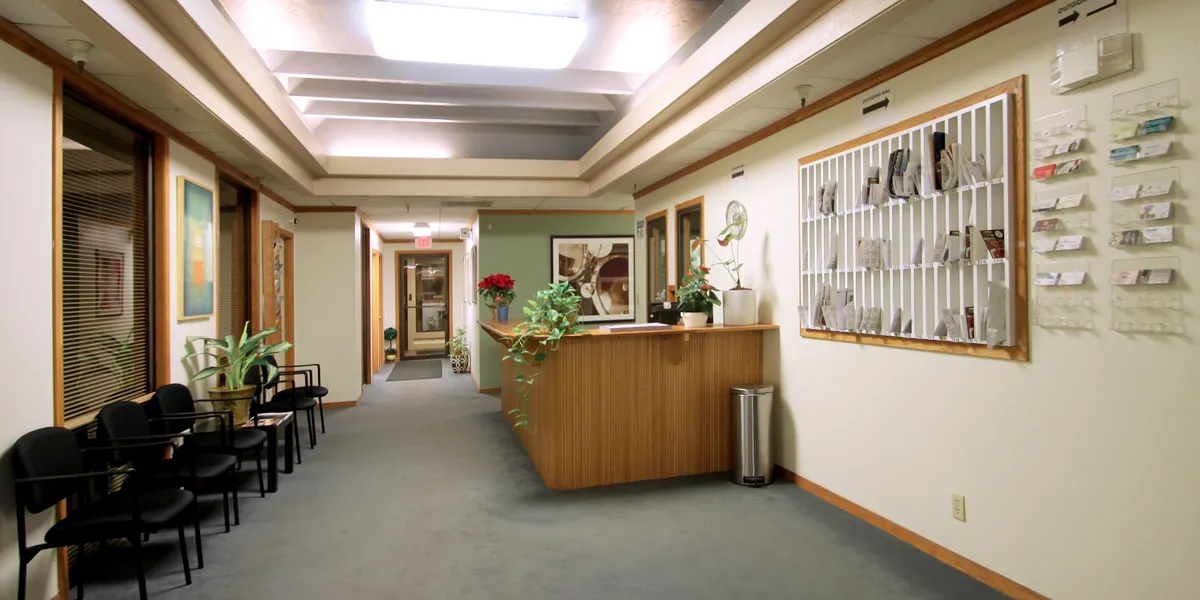

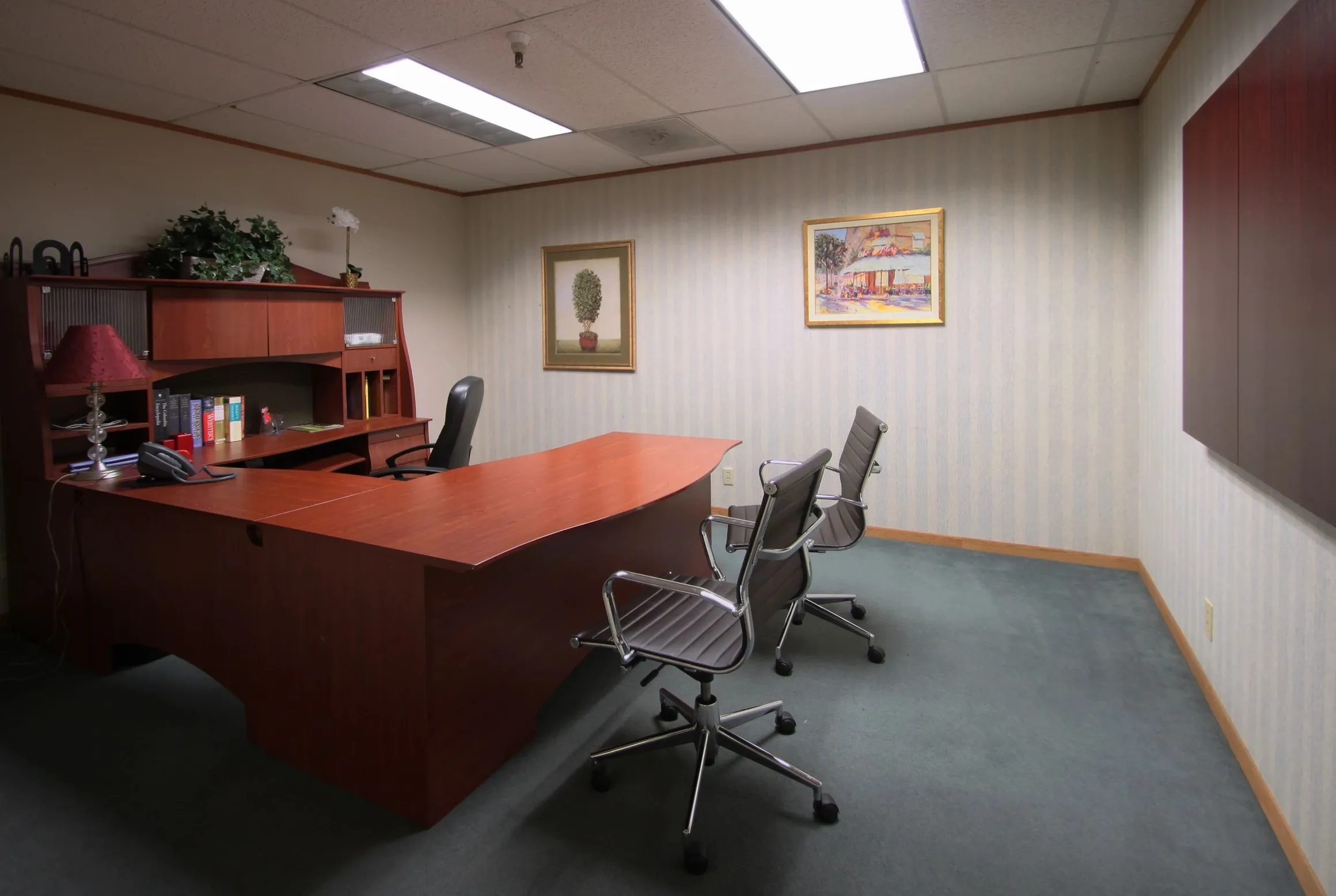


Rent a Meeting Room: Flexible Spaces for Business Success
In today’s fast-paced business world, companies face evolving challenges. From remote teams to fluctuating workspace needs, traditional office leases no longer provide the flexibility that modern businesses require. Consequently, rent a meeting room has become an increasingly popular solution for companies of all sizes. In this blog post, we’ll explore why rent a meeting room can be the right choice for your business, the key benefits it offers, and how to select the best space for your needs.
The Growing Demand for Flexible Workspaces
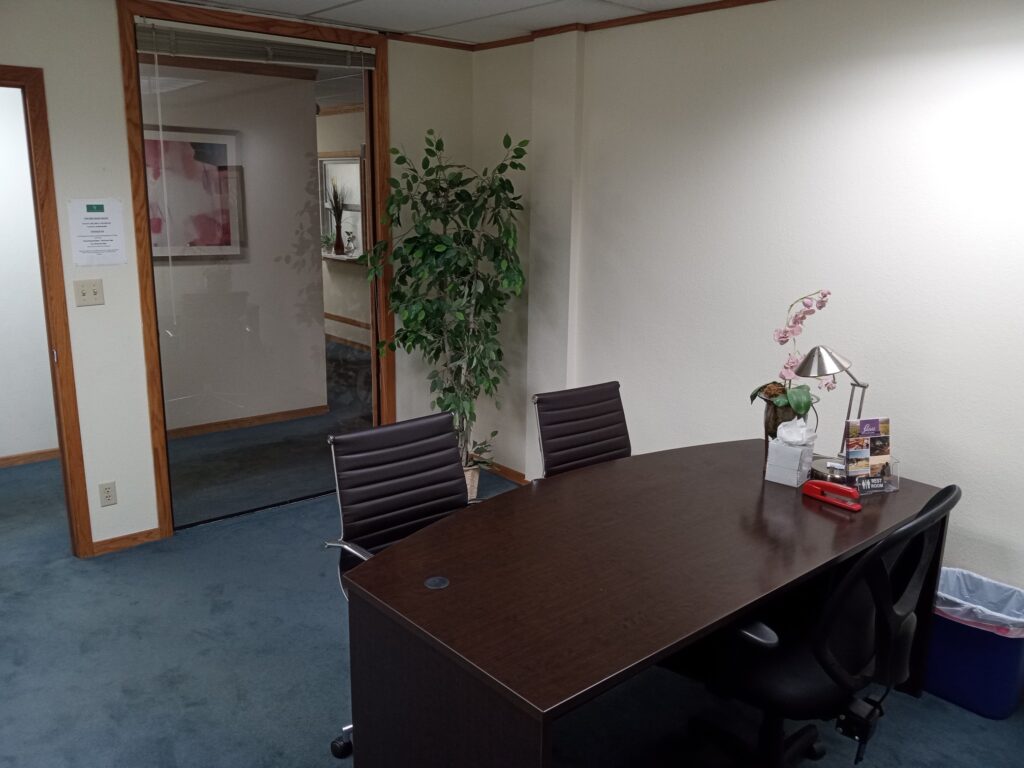
The concept of flexible workspaces has transformed the way businesses operate. Over the past few years, the shift towards remote and hybrid work has increased demand for temporary, adaptable office solutions. Rent a Room for Business is part of this trend, providing a professional space when needed without the commitment of a long-term office lease.
Why is this important?
Remote work has allowed businesses to save on overhead costs and reduce unnecessary office space. However, there are still moments when face-to-face collaboration is essential. Renting a meeting room gives you access to professional facilities without the burden of managing an office. It’s a flexible solution that addresses the needs of both small and large companies.
Key Benefits of Renting a Meeting Room
There are several reasons why rent a meeting room makes business sense. These benefits go beyond cost-effectiveness, offering companies a variety of advantages that traditional office spaces cannot provide.
Cost-Effectiveness and Budget Flexibility
Rent a meeting room is often far more affordable than maintaining a permanent office. Traditional office spaces come with high upfront costs, long-term commitments, and additional fees for utilities, maintenance, and insurance. By contrast, renting a meeting room lets you pay only for the time and space you actually use, which helps you better control your budget. In addition, meeting rooms come with all the amenities you need, such as furniture, technology, and refreshments, without any hidden costs. This level of budget flexibility can be a game-changer for businesses of all sizes, allowing you to allocate resources more efficiently.
Professional Environment Without the Overhead
When you rent a meeting room, you gain access to a professional setting that enhances your company’s image. These rooms are typically designed to provide a comfortable, productive environment, featuring modern technology and high-quality furnishings. As a result, clients, partners, and team members are likely to perceive your business as professional and established. Moreover, you avoid the costly process of outfitting your own office with furniture, equipment, and decor. Meeting room rentals provide an instant, polished space for your meetings, presentations, and team collaborations.
Scalability and Flexibility
As businesses grow, their space needs evolve. Renting a meeting room offers unmatched flexibility, enabling you to scale up or down as your requirements change. Whether you need a small space for an intimate brainstorming session or a larger conference room for a team event, renting lets you adjust as needed without the burden of long-term leases.
This flexibility is beneficial for startups, freelancers, and companies with fluctuating team sizes. Renting a meeting room ensures that your workspace can adapt to your changing needs.
What to Look for When Renting a Meeting Room
When renting a meeting room, check the size, layout, and seating comfort to ensure it suits your group and purpose. Also, confirm the availability of reliable Wi-Fi, presentation equipment, and easy access for all participants.
Location and Accessibility
One of the most important factors when Find Office Space for Rent is its location. A meeting room that is convenient for all participants is essential to the success of your meetings. Opt for spaces that are easily accessible by public transportation or that have sufficient parking. Additionally, the venue should be situated in a professional area that reflects positively on your company.
Technology and Amenities
Modern meeting rooms are equipped with a range of essential technology and amenities. Video conferencing capabilities, high-speed internet, projectors, and audio equipment are standard in many venues. These features ensure that your meetings run smoothly and that you’re fully prepared to communicate effectively.
Moreover, additional amenities such as catering services, printing facilities, and office supplies can significantly enhance the overall meeting experience. Before finalizing your rental, confirm that the meeting room has all the necessary tools and resources for your specific needs.
Capacity and Layout
Meeting rooms come in various sizes, so it’s essential to choose a space that matches the size of your group. Whether you need a small meeting room for a few people or a large conference room for a presentation, the room should comfortably accommodate all participants. Also, the layout of the space can impact the flow of the meeting. Some spaces may offer flexible seating arrangements, such as boardroom setups or classroom-style seating, to cater to different types of meetings.
Cost Transparency and Pricing Structure
Before booking a meeting room, it’s essential to understand the pricing structure. Prices can vary significantly depending on factors such as location, amenities, and room size. Most venues offer hourly, half-day, or full-day rental options, so it’s essential to consider how long you’ll need the space. Additionally, inquire about any extra fees for equipment, catering, or cleaning services.
Practical Tips for a Smooth Meeting Room Rental Experience
To ensure a smooth meeting room rental experience, book your space well in advance, especially during peak times, to secure the best option. Additionally, familiarize yourself with the venue’s cancellation and rescheduling policies to avoid unexpected fees. Finally, confirm that the room includes all necessary equipment and amenities to prevent any surprises on the day of your meeting.
Booking Process and Availability
Popular meeting rooms can fill up quickly, especially during peak times. It’s advisable to book your room in advance to secure the space you need. Moreover, ensure the venue offers a simple, efficient booking process, preferably with online booking options for convenience.
Cancellation and Rescheduling Policies
Things don’t always go as planned, and sometimes you may need to reschedule or cancel your booking. Therefore, it’s crucial to review the meeting room rental provider’s cancellation and rescheduling policies. Some venues offer flexible terms, while others have stricter policies. Be sure to understand these terms upfront to avoid unexpected charges.
Final Thoughts for Rent a Meeting Room
In conclusion, renting a meeting room offers numerous benefits that can help businesses thrive. From cost-effectiveness and scalability to professional environments and advanced amenities, the advantages are clear. Moreover, renting meeting rooms provides firms with the flexibility they need to adapt to today’s ever-changing workplace demands. Whether you’re organizing a client presentation, hosting a team brainstorming session, or holding a corporate event, renting a meeting room ensures that you have the perfect space to foster productivity, creativity, and collaboration. With so many options available, you can find the ideal meeting room to suit your business’s specific needs and budget.
FAQ on Rent a Meeting Room
1.Why should I rent a meeting room instead of using my office?
Renting a meeting room offers a professional environment with modern amenities, helping you avoid the overhead costs of maintaining a full-time office. It’s a cost-effective solution when you need a space for a specific meeting or event.
2. Do I need to provide my own equipment when I rent a meeting room?
Typically, meeting rooms come with essential equipment like whiteboards, projectors, and conference phones. However, if you require specialized equipment, you may need to request it in advance or rent it separately.
3.What should I look for when I rent a meeting room?
When renting a meeting room, consider factors such as location, size, accessibility, available technology (such as Wi-Fi, projectors, and video conferencing tools), and additional amenities, such as catering or printing services.
4.Can I rent a meeting room for just a few hours?
Yes, many meeting room providers offer flexible rental options, including hourly rates, making it easy to rent a meeting room for just a few hours if needed.
5. How far in advance should I rent a meeting room?
It’s recommended to book a meeting room as early as possible, especially during peak times. Booking in advance ensures you secure the space you need and avoid last-minute complications.