


Why Fairfield CA Is Becoming a Business Hub for Entrepreneurs
Fairfield doesn’t get talked about as much as its neighbors. San Francisco gets the headlines, Sacramento gets the government contracts, and Napa gets the tourists. But somewhere in the middle of all that, Fairfield has been building a case for itself as a genuinely smart place to run a business.
A practical advantage that business owners often notice first is the price tag. Office space here costs a fraction of what you’d pay closer to the Bay, without sacrificing much in terms of access. You’re still close enough to reach San Francisco, Sacramento, or Napa for a client meeting, but you’re not paying San Francisco rent to get there.
Location plays a big part in this too. Fairfield sits right along Interstate 80, which makes it a realistic base for businesses that need to move between Northern California’s major cities regularly. And then there’s the mix of opportunity: a solid local economy, a diverse population, and a business community that’s still small enough to actually know each other’s names.
One reason many entrepreneurs overlook Fairfield is that it doesn’t market itself the way bigger cities do. There’s no flashy campaign telling founders to move here. Instead, word tends to spread the old-fashioned way — through local business owners, commercial brokers, and people who’ve simply worked here long enough to know what the city offers. This article breaks down exactly why Fairfield has earned that reputation, and where flexible office space fits into the picture.
Fairfield’s Strategic Location Gives Businesses an Advantage
Geography isn’t usually the first thing people think about when picking a business location, but in Fairfield’s case, it’s one of the strongest arguments in the city’s favor.
Fairfield sits directly on Interstate 80, the corridor connecting the Bay Area to Sacramento and beyond. That means a company based here isn’t isolated from the two biggest economic centers in Northern California — it’s positioned between them. A consultant with clients in both San Francisco and Sacramento can service both without relocating to either, and without paying either city’s overhead.
San Francisco is roughly an hour away depending on traffic. Sacramento is even closer. Napa, with its wine country business and hospitality connections, is a short drive north. For a business that depends on regional relationships — whether that’s healthcare, real estate, logistics, or professional services — that kind of central positioning is hard to replicate anywhere else in the region.
Fairfield is also home to Travis Air Force Base, which brings its own steady economic presence to the area. Between the base, the I-80 corridor, and the city’s proximity to the Sacramento River, Fairfield has built-in transportation and logistics advantages that many smaller cities simply don’t have.
For companies that need employees or clients to reach the office easily, or that rely on distribution and travel, this location advantage isn’t a minor perk. It’s often the deciding factor.
There’s also a practical side to this that doesn’t get talked about enough: commute flexibility. Employees living in Vacaville, Vallejo, Napa, or even parts of the East Bay can reach a Fairfield office without the kind of daily grind that comes with commuting into San Francisco or Oakland. That matters when a business is trying to hire and retain good people. A shorter, more predictable commute is a real perk in a hiring market where candidates increasingly weigh quality of life alongside salary.
The regional accessibility also opens the door to a wider client base than a business might expect from a city Fairfield’s size. A consultant based here isn’t limited to serving Solano County. Sacramento’s state government and healthcare sectors, the Bay Area’s finance and tech industries, and Napa’s hospitality and wine business community are all within a reasonable drive. Few cities in Northern California offer that kind of three-way access without the price tag that usually comes attached to it.
Affordable Office Space Helps Businesses Grow Faster
Cost is where Fairfield really separates itself from the rest of the Bay Area and even parts of Sacramento. Commercial lease rates here run noticeably lower than what businesses pay in San Francisco, Oakland, or even Walnut Creek, and that difference adds up fast over the life of a lease.
Many startups eventually realize that the money saved on rent isn’t just a nice bonus — it’s capital they can put back into hiring, marketing, or product development. A business paying half as much for office space has twice as much room to reinvest in growth. That’s not a small thing when you’re trying to get a company off the ground.
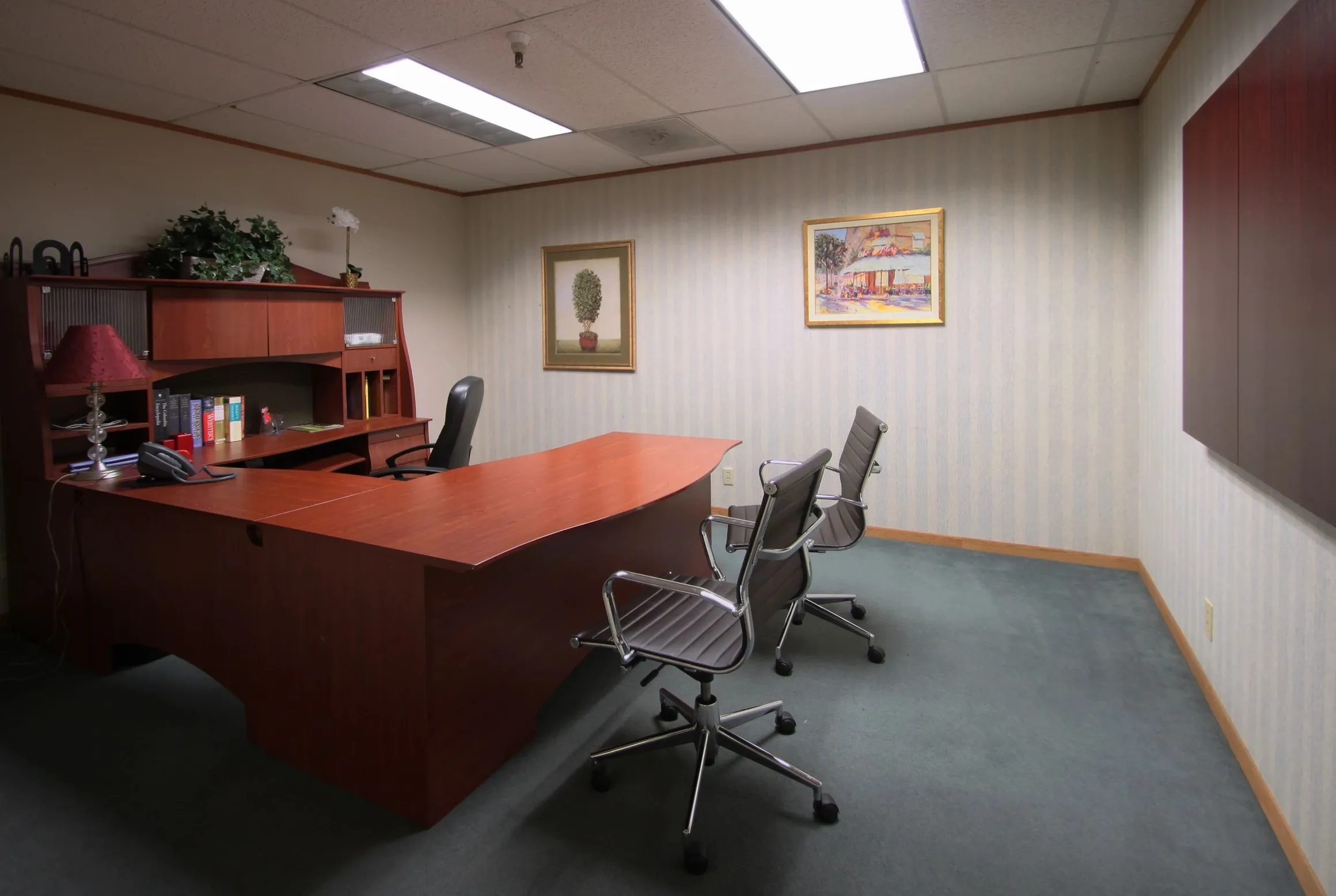
Flexible office space, executive suites, and private offices all give business owners options depending on where they are in their growth. A solo consultant might only need a private office and a place to meet clients occasionally. A growing team might need a full private suite with room to add staff over the next year. Either way, Fairfield’s lower cost of commercial real estate means those choices come without the financial strain they’d carry closer to the Bay.
This is especially valuable for startups still figuring out their exact space needs. Long-term, high-cost leases don’t make sense for a business that might double in size — or need to scale back — within a year. Flexible office arrangements let companies match their space to their actual stage of growth instead of locking into a five-year commitment before they know what they’ll need.
A practical advantage that business owners often notice once they’ve made the switch is how much lower overhead changes the way they run the business day to day. When rent isn’t eating up a disproportionate share of monthly expenses, decisions about hiring, marketing spend, or new equipment stop feeling so high-stakes. That breathing room tends to show up in how confidently a company can pursue growth, rather than just how it survives month to month.
Traditional commercial leases also come with costs that aren’t always obvious upfront — build-out expenses, long-term commitments, and maintenance responsibilities that fall on the tenant. Flexible office space sidesteps most of that. Furniture, utilities, internet, and common area upkeep are typically already handled, which removes a layer of overhead that a lot of new business owners don’t budget for until it’s too late.
A Growing Business Community Creates More Opportunities
There’s something to be said for being part of a business community that’s still growing rather than one that’s already saturated. Fairfield’s local business scene has been building steadily, and that creates room for newer companies to actually get noticed.
Local networking here tends to be more direct. Business organizations, chamber events, and regional economic development groups in Solano County actively support new and small businesses, which means entrepreneurs aren’t fighting for attention in a crowd of thousands of other startups. A new consulting firm or professional service provider can build real relationships with other local businesses instead of getting lost in the noise.
Local partnerships matter more than people often expect. A CPA who knows the local real estate agents. A marketing consultant who works with a handful of downtown retailers. These relationships tend to form more naturally in a city like Fairfield, where the business community is close-knit enough that reputation and word-of-mouth still carry real weight.
Economic development efforts in the area have also focused on supporting small and mid-sized businesses, which shapes the kind of companies that end up putting down roots here. It’s not just large corporations — it’s a genuine mix of small business owners, consultants, and growing companies that reflect the character of the region itself.
A shared office environment tends to accelerate this kind of networking naturally. When a private office, an executive suite, and a coworking space all sit under the same roof, business owners run into each other in the hallway, the kitchen, or the parking lot. Those small, unplanned interactions often turn into referrals down the line — a bookkeeper meeting a real estate agent, or a marketing consultant crossing paths with a construction firm that needs a new website. It’s a version of networking that doesn’t require a formal event to happen.
Flexible Workspaces Match Modern Business Needs
Work doesn’t look the way it did a decade ago, and Fairfield’s office market has adjusted accordingly. Hybrid work is now the default for a lot of companies, and that’s changed what businesses actually need from a physical office.
A private office still matters for companies that need a dedicated, professional space every day. But plenty of businesses now operate with a smaller footprint — a team that works remotely most of the time but needs somewhere professional to meet clients, host a strategy session, or handle sensitive paperwork. That’s where executive suites and meeting room rentals come in. A business can rent a conference room for a few hours instead of paying for an office they only use occasionally.
Virtual offices have become just as important. A remote business or a consultant working from home still needs a professional business address, mail handling services, and a way to project credibility without the overhead of a full-time office. A virtual office solves that without forcing a company into a lease it doesn’t need.
This flexibility is exactly what modern businesses are looking for. Instead of committing to one rigid setup, companies can mix and match: a virtual office for the business address, occasional meeting room rentals for client work, and the option to upgrade to a private office suite later if the business grows. Fairfield’s coworking and flexible office providers have built their offerings around exactly this kind of adaptability.
Many startups eventually realize this isn’t just about saving money — it’s about matching office space to how the business actually operates, rather than forcing operations to fit a fixed lease. A law firm that meets clients twice a week doesn’t need a five-day-a-week private office. A sales team that’s mostly on the road doesn’t need a large footprint sitting empty. Flexible office space lets a business pay for what it actually uses, which is a far more efficient way to run a company than the traditional lease model most people default to.
Shared office space and coworking arrangements also give smaller teams access to amenities they wouldn’t be able to justify on their own — a staffed reception area, professional conference rooms, high-speed internet, and a business address in a recognizable commercial building. It’s the kind of infrastructure that used to require a much bigger budget, now available to a two-person consulting firm just as easily as a growing team of ten.
Why a Professional Business Address Matters
It’s easy to underestimate how much a business address affects the way a company is perceived, but it shows up in small ways constantly. A home address on an invoice, a P.O. box on a Google Business Profile, or a residential street name in a client’s inbox signature — none of it says “established business” the way a recognized commercial address does.
A professional business address builds trust before a client ever walks through the door or picks up the phone. It signals that the company has a real, physical presence and isn’t operating out of a spare bedroom, even if some days it actually is. For service-based businesses — legal, financial, consulting — that first impression often matters more than people expect.
There’s a practical side to this too. A commercial business address supports a stronger Google Business Profile listing, which matters for local search visibility. Customers searching for services in Fairfield are more likely to trust a business with a legitimate commercial address than one with no clear physical location at all.
Mail handling is another underrated benefit. Having business mail sent to a dedicated commercial address, rather than a home address, keeps personal and professional matters separated — something a lot of small business owners don’t think about until they’re already dealing with the headache of mixing the two.
Industries Thriving in Fairfield
Fairfield’s business mix is broader than people expect. A few industries show up consistently among the businesses choosing to set up here:
Healthcare — Fairfield’s growing population supports a steady need for medical offices, specialists, and healthcare-adjacent businesses.
Professional services and consulting — Accountants, business consultants, and advisors benefit from the city’s central location relative to Sacramento and the Bay Area.
Technology — Smaller tech companies and IT service providers are drawn to the lower overhead compared to Bay Area rents.
Construction and real estate — Fairfield’s continued development keeps construction firms, contractors, and real estate professionals active in the area.
Legal services — Law firms serving Solano County residents and businesses find Fairfield a convenient, central base.
Finance — Financial advisors and firms benefit from proximity to both Sacramento’s institutional presence and the Bay Area’s private sector.
Remote and distributed businesses — Companies with remote teams often choose Fairfield for a professional business address and occasional in-person meeting space, without needing a full-time office footprint.
This mix isn’t accidental. It reflects a city that offers enough affordability to attract growing businesses, while still sitting close enough to major markets to keep those businesses connected to bigger opportunities.
Why California Business Center Is a Smart Choice
None of this location advantage or affordability means much without the right workspace to back it up, and that’s really where the day-to-day decision comes in for business owners evaluating Fairfield.
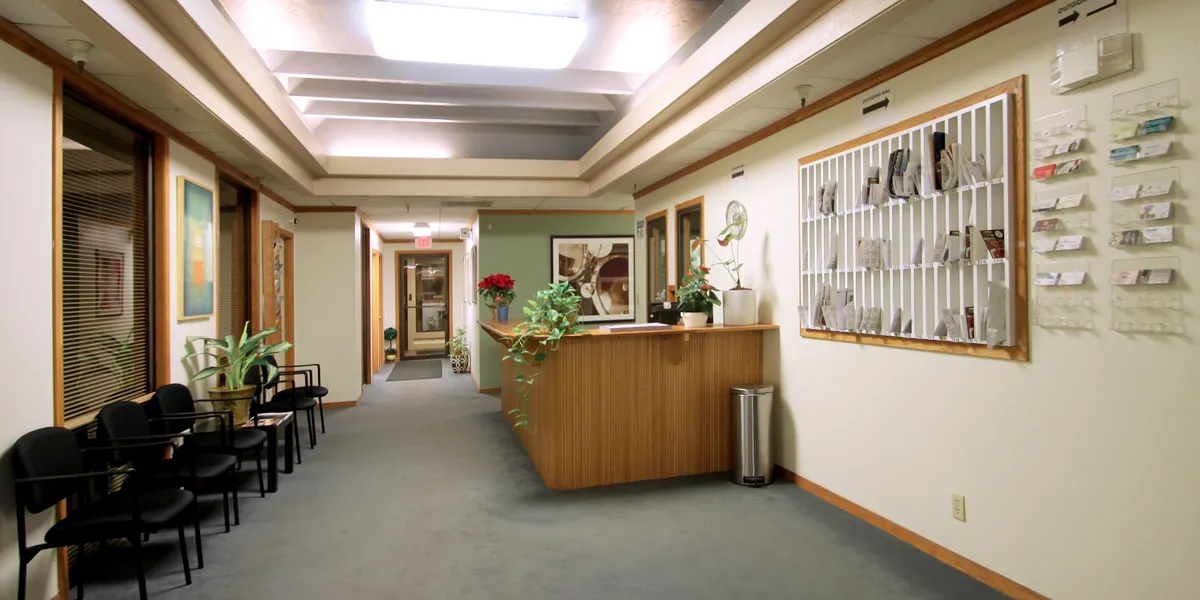
California Business Center offers flexible office rentals designed around exactly the kind of adaptability modern businesses need — private offices and executive suites for companies that want a dedicated space, along with meeting room rentals for businesses that only need a professional setting occasionally. For companies that don’t need a physical office every day, a virtual office provides a real business address and mail handling without the overhead of full-time space.
The location itself plays into everything discussed above — easy access to Interstate 80, a reasonable drive to Sacramento, San Francisco, and Napa, and a setting that gives clients a straightforward, professional place to meet. Beyond the practical side, the atmosphere matters too. A workspace should feel professional without feeling sterile, and support without getting in the way of actually running a business.
For entrepreneurs weighing whether Fairfield makes sense, the workspace itself often ends up being the easiest part of the decision. The location, the flexibility, and the range of options — from a full private office to a simple virtual address — make it straightforward to find a setup that fits wherever the business is right now, with room to adjust as it grows.
Conclusion
Fairfield isn’t trying to be the next San Francisco or Sacramento, and that’s exactly what makes it work for a lot of entrepreneurs. It offers something more practical: a central location, real cost savings, a supportive local business community, and office options flexible enough to grow alongside a business instead of holding it back.
For entrepreneurs and small business owners weighing where to set up next, Fairfield deserves a closer look — not because it’s flashy, but because it’s genuinely functional.
Ready to see what a flexible office setup in Fairfield could look like for your business? Contact California Business Center to talk through your options, tour the space, or ask about virtual office and meeting room availability.